Standard Brick and Paver Sizes
Standard US bricks measure 3.75 × 8 inches (nominal 4 × 8 inches including the mortar joint). Modular bricks are 3.625 × 7.625 inches. Concrete pavers come in a wide range of sizes — common options include 6×6, 6×9, 12×12, and 16×16 inches. The number of bricks per square foot depends on the brick size and the mortar joint width. Standard bricks with 3/8 inch mortar joints yield approximately 6.75 bricks per square foot.
Mortar Joints and Their Impact
The mortar joint — the space between bricks filled with mortar — is part of the installed dimension of a brick. Standard mortar joints are 3/8 inch for face brick and up to 1/2 inch for structural applications. The joint width affects the total number of bricks needed: wider joints mean fewer bricks per square foot but more mortar. For dry-laid pavers (no mortar), the paver dimensions alone determine coverage. Sand-set pavers use a thin layer of compacted sand — the paver size alone drives the calculation.
Waste Factor for Brick Projects
Brick projects generate waste from cuts at edges, corners, and around obstacles. A standard 5% waste factor is appropriate for simple rectangular projects with few cuts. Add 10% for projects with curves, angles, or many obstacles. Decorative patterns like running bond, herringbone, or basket weave require more cuts and a 10-15% waste factor. Always add a buffer and order extra from the same batch — brick color varies between production runs.
Calculating Mortar Quantities
For projects using mortar, you will need to estimate the mortar quantity separately. A standard mix of 1 part Portland cement to 3 parts sand covers approximately 25 to 30 square feet of brick face per 80-pound bag. For a patio or walkway, a pre-mixed mortar bag covers the same area. Joint sand for dry-set pavers requires approximately one 50-pound bag per 25-30 square feet of paver surface.
How to Use Our Free Brick Calculator
Our free brick and paver calculator at cookiescursor.com calculates the number of bricks or pavers needed for any project. Select from common brick and paver sizes or enter custom dimensions, choose your mortar joint width, set the waste factor, and enter your project area. Results show total bricks needed, bricks with waste, mortar bags required, and cost estimate if unit price is entered. No signup required.
Frequently Asked Questions
How many bricks are in a pallet?
A standard brick pallet contains 500-525 bricks. Pallets are more economical than individual purchases for large projects.
Do I need a permit for a brick patio?
Freestanding patios typically do not require permits in most US jurisdictions. Attached structures, retaining walls above a certain height, and projects near property lines may require permits. Check with your local building department.
What is the best base for a paver patio?
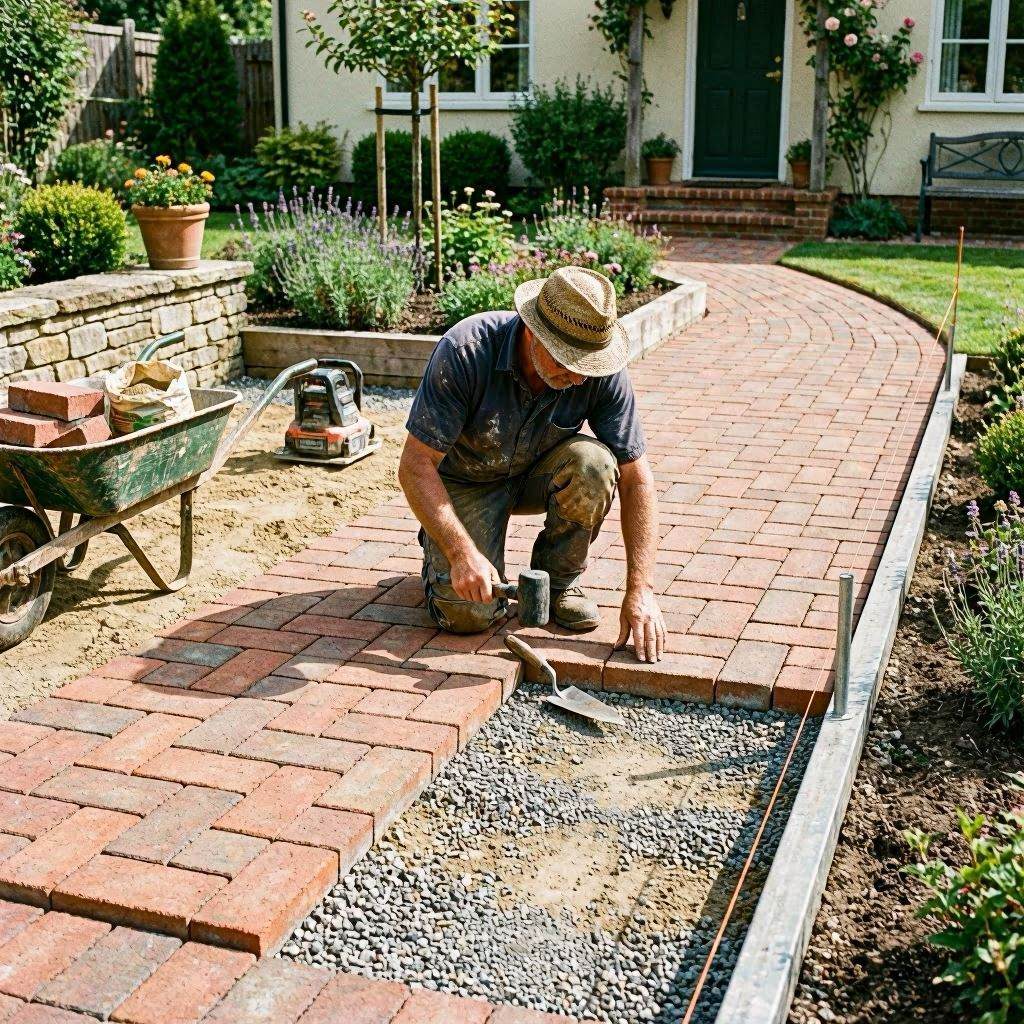
A 4-6 inch compacted gravel base topped with 1 inch of compacted sand is the standard preparation for residential paver installation. Poor base preparation is the most common cause of paver settling and movement.
How long does brick paving last?
Properly installed brick pavers last 25-50 years or more. The longevity depends on the quality of the base preparation, the brick quality, and climate conditions.
Can I install pavers myself?
Yes, with proper preparation and patience. The base preparation is the most critical step. Many DIYers successfully complete paver patios and walkways — it is physically demanding but technically achievable without professional experience.
What is efflorescence on brick?
Efflorescence is a white powdery residue on brick surfaces caused by water carrying soluble salts to the surface. It is typically a cosmetic issue and can be removed with specialized efflorescence cleaners.
Calculate Your Bricks Now
Use our free brick and paver calculator for exact quantities. No signup required.