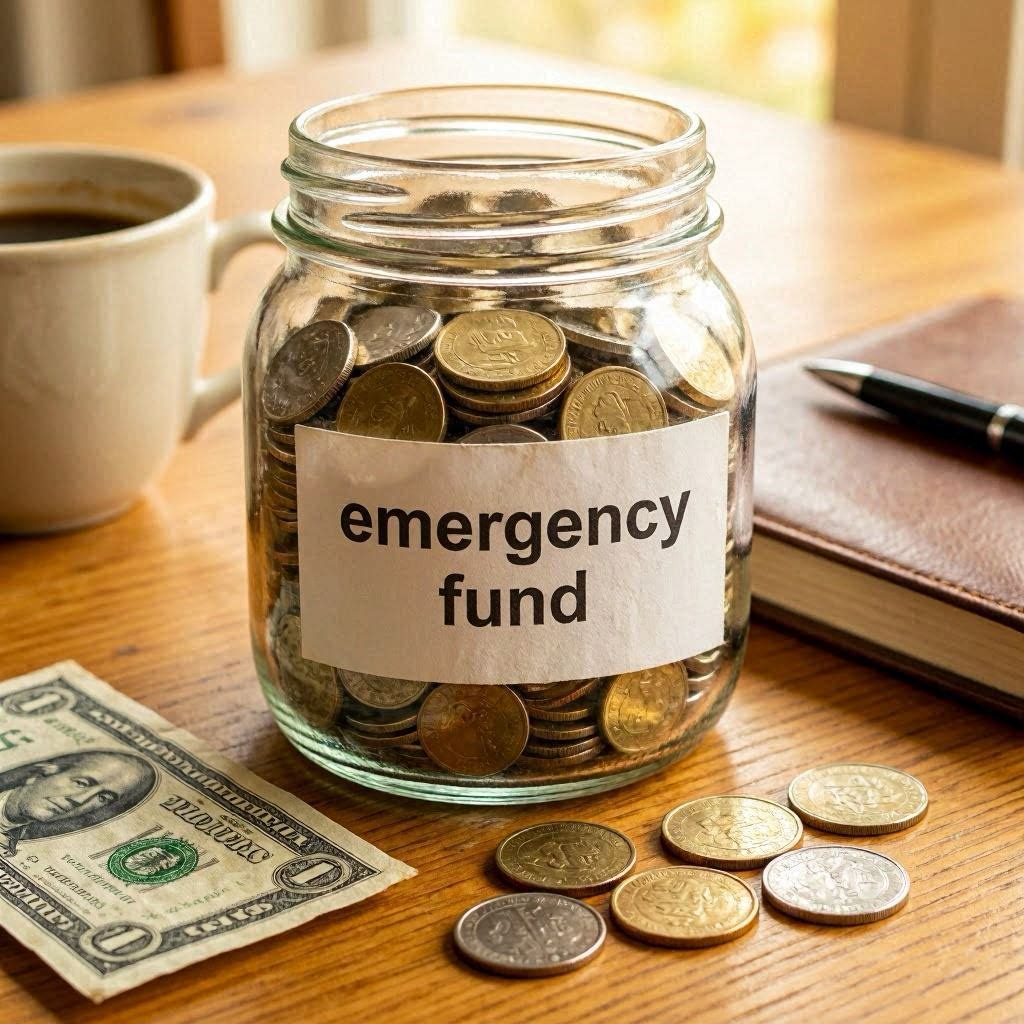
What Is an Emergency Fund?
An emergency fund is a dedicated savings reserve covering unexpected expenses — job loss, medical bills, car repairs, or home emergencies — without resorting to high-interest credit card debt or loans. It is the financial safety net that prevents a single unexpected event from derailing years of financial progress. Financial planners universally recommend establishing an emergency fund before investing in stocks, paying extra on low-interest debt, or making major purchases.
How Much Should You Save?
The standard recommendation is 3 to 6 months of essential living expenses. Essential expenses include housing, food, utilities, transportation, insurance, and minimum debt payments — not discretionary spending like entertainment and dining out. Three months is the minimum for those with stable employment, dual incomes, and strong job security. Six months is appropriate for single-income households, those in volatile industries, or anyone with dependents. Twelve months is recommended for self-employed individuals, freelancers, and those with highly irregular income.
Where to Keep Your Emergency Fund
Your emergency fund should be kept in a high-yield savings account (HYSA) — liquid, FDIC insured, and earning meaningful interest. In 2025, many online banks offer HYSA rates of 4% to 5% APY. Avoid keeping emergency funds in investment accounts (subject to market volatility and potential losses at exactly the wrong time), money market mutual funds (not FDIC insured), or checking accounts (earning near zero interest). The goal is safety and liquidity, not maximum returns.
How to Use Our Free Emergency Fund Calculator
Our free emergency fund calculator at cookiescursor.com calculates your target emergency fund based on monthly essential expenses and target months of coverage. Enter your current emergency savings and monthly saving capacity to see how long it takes to reach your goal. Currency selector supports 40+ currencies. No signup required.
Frequently Asked Questions
Should I build an emergency fund before paying off debt?
Most financial advisors recommend a starter emergency fund of $1,000-2,000 before aggressively paying down high-interest debt, then building the full emergency fund after debt is eliminated.
Can I invest my emergency fund?
No. Emergency funds must be immediately accessible and protected from market losses. Stocks can drop 30-50% at exactly the moment you need the money most.
What counts as an emergency?
True emergencies: job loss, medical bills, essential car or home repairs, and genuine unexpected necessities. A vacation, new phone, or desired purchase is not an emergency.
How do I build an emergency fund quickly?
Automate a fixed monthly transfer to your HYSA on payday. Redirect windfalls (tax refunds, bonuses) to the fund. Temporarily reduce discretionary spending.
Should I keep emergency funds in cash?
Small amounts in cash for immediate access are useful, but the bulk should be in an FDIC-insured HYSA earning interest. Physical cash earns nothing and is vulnerable to theft.
What if I use my emergency fund?
That is exactly what it is for. Replenish it as quickly as possible after using it — treat it like any other financial goal until restored.
Calculate Your Emergency Fund Now
Use our free emergency fund calculator to set your savings target. No signup required.