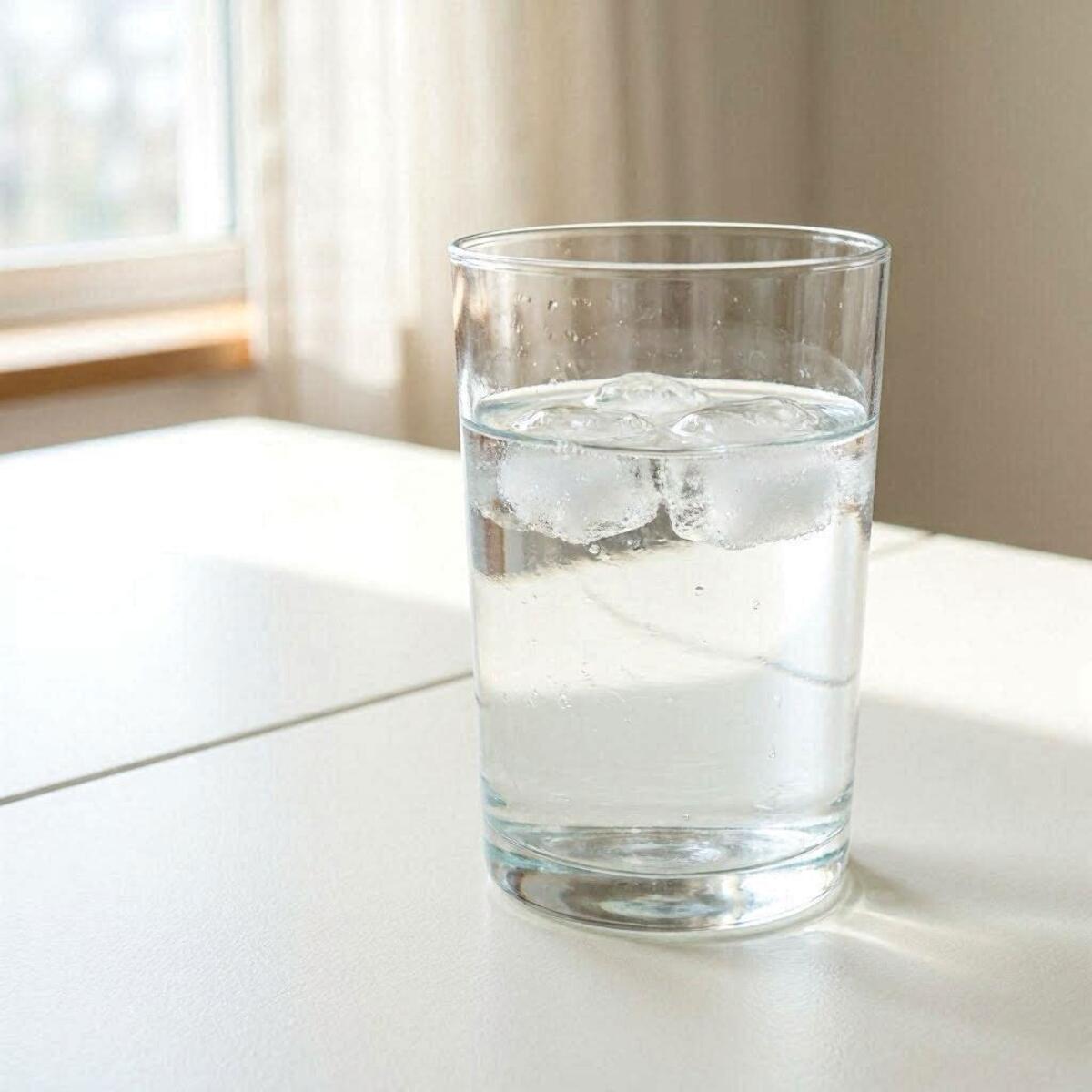
The Truth About "8 Glasses a Day"
The common advice to drink 8 glasses of water per day — approximately 64 ounces or 2 liters — is not based on scientific evidence. It appears to have originated from a 1945 US Food and Nutrition Board recommendation that was misinterpreted over decades. The actual recommendation noted that most of this water requirement is met through food and beverages consumed throughout the day, not just plain water. Your actual water needs depend on your body weight, physical activity, environmental temperature, and overall health.
How Your Body Loses Water
An average adult loses approximately 2 to 3 liters of water per day through urine (1 to 1.5 liters), breathing (0.25 to 0.35 liters), sweating (0.5 liters at rest, significantly more during exercise), and digestion. Exercise dramatically increases water loss — a person exercising vigorously for one hour may lose 0.5 to 2 liters of additional water through sweat depending on intensity, ambient temperature, and individual physiology. Hot and humid climates increase sweat rate even at rest.
Calculating Your Water Needs
A commonly used baseline formula is to drink 0.5 ounces of water per pound of body weight per day. For a 180-pound person, this gives a baseline of 90 ounces (approximately 2.7 liters). For every 30 minutes of exercise, add approximately 12 ounces. For hot or humid climates, add an additional 16 ounces. Altitude above 8,000 feet increases water losses and requires additional intake. Pregnancy increases water needs by approximately 10 ounces per day, and breastfeeding increases needs by approximately 13 ounces per day.
Signs of Dehydration
Mild dehydration — losing just 1 to 2% of body water — impairs cognitive performance, mood, and physical endurance. Early signs include dark yellow urine, dry mouth, mild headache, and reduced urine output. Moderate dehydration (3 to 5% water loss) causes significant fatigue, dizziness, muscle cramps, and headache. The most reliable indicator of adequate hydration is urine color — pale yellow indicates good hydration, dark yellow or amber indicates dehydration, and completely clear urine may indicate overhydration.
Does Coffee and Tea Count?
Yes. Despite the popular belief that caffeine causes dehydration, research shows that caffeinated beverages contribute positively to daily fluid intake. The mild diuretic effect of caffeine is more than offset by the fluid content of the beverage. A cup of coffee or tea counts toward your daily water intake, though plain water remains the most efficient hydration source. Alcoholic beverages are genuinely dehydrating and should not be counted toward your water intake goal.
How to Use Our Free Water Intake Calculator
Our free water intake calculator at cookiescursor.com calculates your daily hydration target based on your weight, activity level, and climate. Results show your target in ounces, liters, standard 8oz glasses, and 500ml bottles — so you can track using whatever measurement works best for you. For informational purposes only. No signup required.
Frequently Asked Questions
Can you drink too much water?
Yes. Hyponatremia (water intoxication) occurs when excessive water intake dilutes sodium levels in the blood. It is rare in healthy individuals but can occur during endurance events when athletes drink large amounts of plain water without electrolyte replacement.
Does eating water-rich foods count toward intake?
Yes. Fruits and vegetables contribute significantly to daily fluid intake. Cucumber, watermelon, strawberries, and lettuce are over 90% water by weight. A diet rich in whole fruits and vegetables can meet 20 to 30% of daily fluid needs.
Should I drink water before or after exercise?
Both. Pre-exercise hydration ensures you start exercise well-hydrated. During exercise, drink to thirst. Post-exercise, drink 16 to 24 ounces of fluid for every pound of body weight lost during exercise.
Does drinking more water help with weight loss?
Drinking water before meals can reduce appetite and calorie intake. Replacing caloric beverages with water reduces overall calorie intake. Some research suggests mild increases in metabolic rate after drinking cold water. The effects are modest but real.
How much water do children need?
Children need less water than adults but proportionally similar amounts relative to body weight. General guidelines suggest 5 to 7 cups for children aged 4 to 13, increasing with age and activity level.
Do electrolytes matter?
For most people doing moderate exercise, plain water is sufficient. For exercise lasting more than 60 to 90 minutes in heat, electrolyte replacement (particularly sodium and potassium) becomes important to prevent hyponatremia and maintain performance.
Calculate Your Water Intake Now
Use our free water intake calculator to find your personalized daily hydration target. For informational purposes only. No signup required.