Why Pregnancy Weight Gain Matters
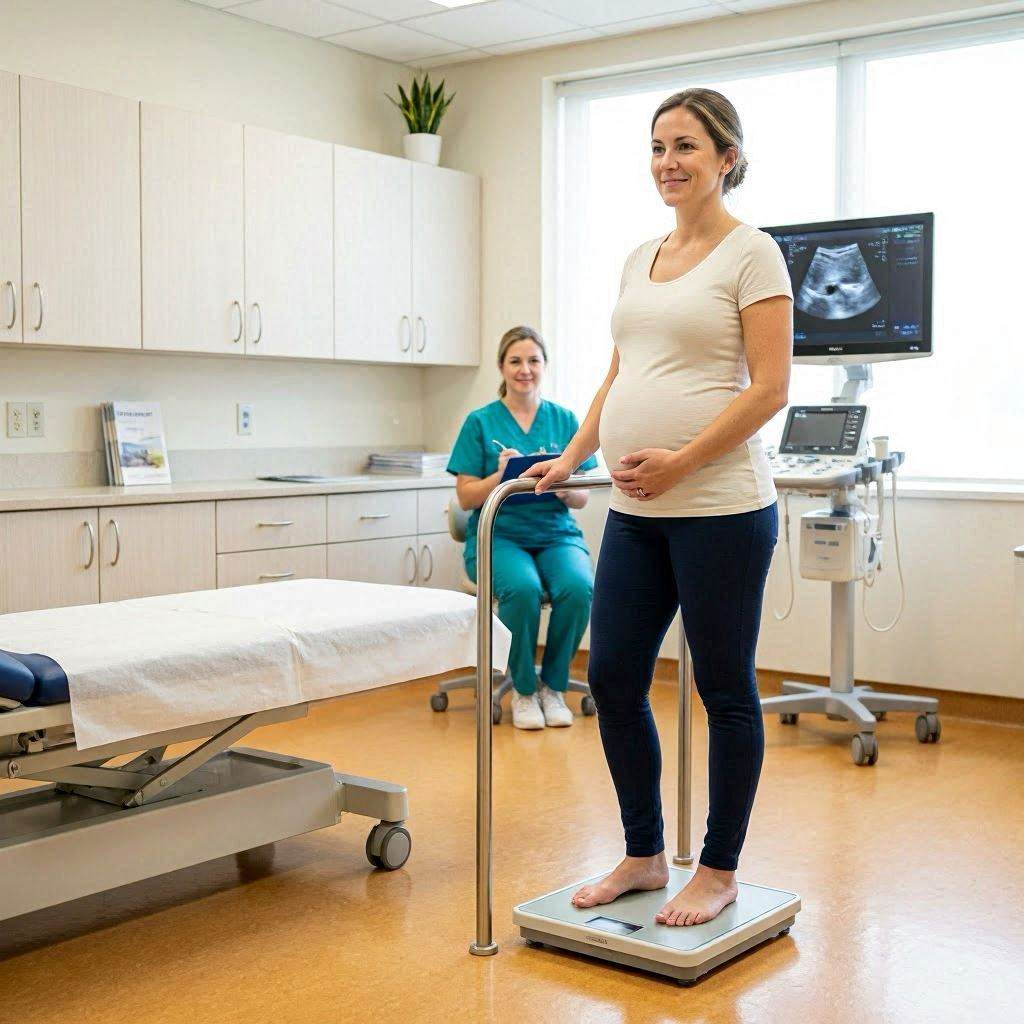
Gaining an appropriate amount of weight during pregnancy supports fetal development, prepares the body for labor, and establishes breastfeeding. Too little weight gain is associated with preterm birth, low birth weight, and developmental challenges. Too much weight gain increases the risk of gestational diabetes, preeclampsia, cesarean delivery, and postpartum weight retention. The Institute of Medicine (IOM) guidelines, adopted by the CDC, provide evidence-based recommendations for gestational weight gain based on pre-pregnancy body mass index.
Recommended Weight Gain by BMI Category
For underweight women (pre-pregnancy BMI under 18.5), the IOM recommends gaining 28 to 40 pounds total for a singleton pregnancy. For normal weight women (BMI 18.5 to 24.9), the recommendation is 25 to 35 pounds. For overweight women (BMI 25 to 29.9), the recommendation is 15 to 25 pounds. For obese women (BMI 30 or higher), the recommendation is 11 to 20 pounds. Twin pregnancies have higher recommendations — add approximately 10 pounds to the upper end of each range.
Weight Gain by Trimester
Weight gain is not linear throughout pregnancy. During the first trimester, weight gain is minimal — typically 1 to 4 pounds total as the embryo is very small and morning sickness may reduce food intake. During the second and third trimesters, weight gain accelerates. For normal weight women, approximately 1 pound per week is typical during the second and third trimesters. The total gestational weight gain includes the baby (approximately 7-8 pounds), placenta (1-2 pounds), amniotic fluid (2 pounds), uterine growth (2 pounds), breast tissue growth (1-2 pounds), blood volume increase (3-4 pounds), and maternal fat and fluid stores (6-8 pounds).
Factors That Affect Weight Gain
Individual variation in pregnancy weight gain is normal within the recommended ranges. Morning sickness can reduce first-trimester weight gain or even cause weight loss. Edema (fluid retention) can cause weight fluctuations that do not reflect fat gain. Multiple pregnancies, pre-existing conditions, and medications can all affect weight gain patterns. Regular monitoring by your healthcare provider is the most important factor — these guidelines provide a starting point, not a rigid prescription.
How to Use Our Free Pregnancy Weight Gain Calculator
Our free pregnancy weight gain calculator at cookiescursor.com calculates your recommended weight gain range based on pre-pregnancy height, weight, and number of babies. It shows your pre-pregnancy BMI, total recommended gain, and week-by-week guidance. For informational purposes only — consult your healthcare provider for personalized guidance throughout pregnancy. No signup required.
Frequently Asked Questions
What if I gain more than recommended?
Exceeding recommended weight gain increases certain risks but does not guarantee complications. Work with your healthcare provider on nutrition and activity plans — do not attempt to restrict calories during pregnancy without medical supervision.
Is it safe to lose weight during pregnancy?
Weight loss is not recommended during pregnancy except possibly in the first trimester due to morning sickness, and only under medical supervision for very obese women. The focus should be on healthy eating and appropriate gain, not weight loss.
When should I weigh myself during pregnancy?
Your healthcare provider will monitor weight at prenatal appointments. Home monitoring is optional — if you choose to weigh yourself, do so at the same time of day, wearing the same clothes, to reduce variability.
Does pregnancy weight gain affect postpartum weight loss?
Gaining within recommended ranges is associated with easier return to pre-pregnancy weight. Excessive gestational weight gain is the strongest predictor of postpartum weight retention.
Can I exercise during pregnancy to control weight gain?
Moderate exercise during pregnancy is recommended for most women and supports healthy weight gain. The CDC recommends 150 minutes of moderate-intensity activity per week during pregnancy. Consult your provider before starting or continuing any exercise program.
Is gestational weight gain the same for all ethnicities?
Current IOM guidelines apply universally, but research suggests Asian women may have lower optimal gestational weight gain due to differences in body composition at equivalent BMI values. Discuss with your healthcare provider for personalized recommendations.
Calculate Your Recommended Weight Gain Now
Use our free pregnancy weight gain calculator based on CDC guidelines. For informational purposes only. No signup required.