What Is a URL Slug?
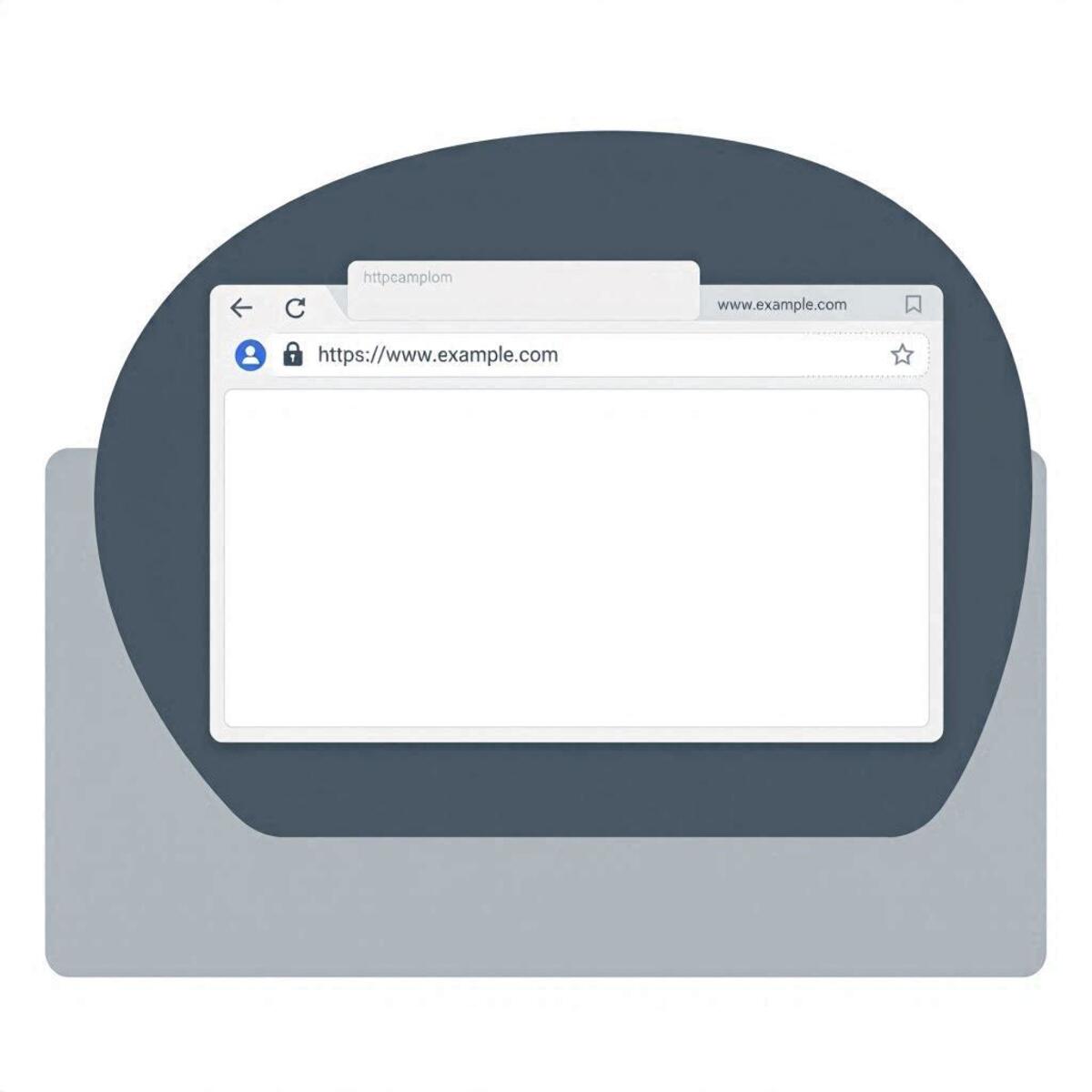
A URL slug is the part of a web address that identifies a specific page on a website. In the URL cookiescursor.com/blog/free-qr-code-generator, the slug is free-qr-code-generator. Slugs are typically derived from the page title, converted to lowercase, with spaces replaced by hyphens and special characters removed. A well-crafted slug is short, descriptive, and contains the primary keyword for that page.
Why URL Slugs Matter for SEO
Search engines use URLs as one of many signals to understand what a page is about. A URL containing the target keyword is a clear, direct signal to Google about the page's topic. According to Google's own guidelines, URLs should be simple, descriptive, and use hyphens to separate words. A page with the slug free-invoice-generator ranks slightly better for that keyword than a page with the slug page-id-4721 or article-about-making-invoices-without-paying-for-software.
Beyond search engines, clean URLs are more trustworthy to users. When someone sees a link to free-invoice-generator on a blog or social media post, they immediately understand what the page contains. A URL with a random ID or excessive parameters looks suspicious and reduces click-through rates.
Common URL Slug Mistakes to Avoid
Using uppercase letters is one of the most common mistakes. URLs are case-sensitive on most servers — Free-Invoice-Generator and free-invoice-generator are technically different URLs, which can cause duplicate content issues. Always use lowercase. Using underscores instead of hyphens is another frequent error. Google treats hyphens as word separators but historically treated underscores as word joiners — meaning free_invoice_generator was read as a single word freeinvoicegenerator. While Google has improved underscore handling, hyphens remain the universally recommended separator.
Including stop words unnecessarily bloats slugs without adding keyword value. Words like the, a, an, and, or, but, in, on, at, to, for, and of rarely improve SEO and make URLs longer than necessary. The title "How to Create a Free Invoice for Your Small Business" becomes the cleaner slug how-to-create-free-invoice-small-business after stop word removal.
The Ideal URL Slug Formula
The ideal slug is three to five words long, contains the primary keyword, uses only lowercase letters and hyphens, has no special characters, and is unique within the site. Longer slugs are not necessarily worse — if the keyword phrase is naturally long, use it. But avoid padding slugs with unnecessary words just to make them seem more descriptive.
How to Use Our Free URL Slug Generator
Our free URL slug generator at cookiescursor.com converts any title or phrase into a clean, SEO-friendly slug instantly. Paste your page title, and the tool automatically converts to lowercase, replaces spaces with hyphens, removes stop words, and strips special characters. All options can be toggled individually. The output updates in real time as you type. Copy the result with one click. No signup required.
Frequently Asked Questions
Should I change existing URL slugs for SEO?
Changing existing slugs can hurt rankings if not done carefully. Always set up 301 redirects from old URLs to new ones. For new pages, always create clean slugs from the start.
How long should a URL slug be?
There is no strict limit, but 3 to 5 words is generally optimal. Google truncates long URLs in search results, and shorter URLs are easier to share and remember.
Should I include dates in URL slugs?
Avoid dates in slugs for evergreen content — they make content look outdated. For news articles or time-sensitive posts, dates can be appropriate.
What characters are allowed in a URL slug?
Letters (a-z), numbers (0-9), and hyphens (-) are the safest characters. Avoid spaces, underscores, special characters, and uppercase letters.
Does changing a slug affect rankings?
Yes, temporarily. Changing a URL without a proper redirect causes a ranking drop. With a 301 redirect, most ranking authority transfers within a few weeks.
Can two pages have the same slug?
No. Every URL on a website must be unique. Duplicate URLs cause indexing issues and split link authority between pages.
Generate Your URL Slug Now
Use our free URL slug generator for instant, SEO-optimized slugs from any title. No signup required.